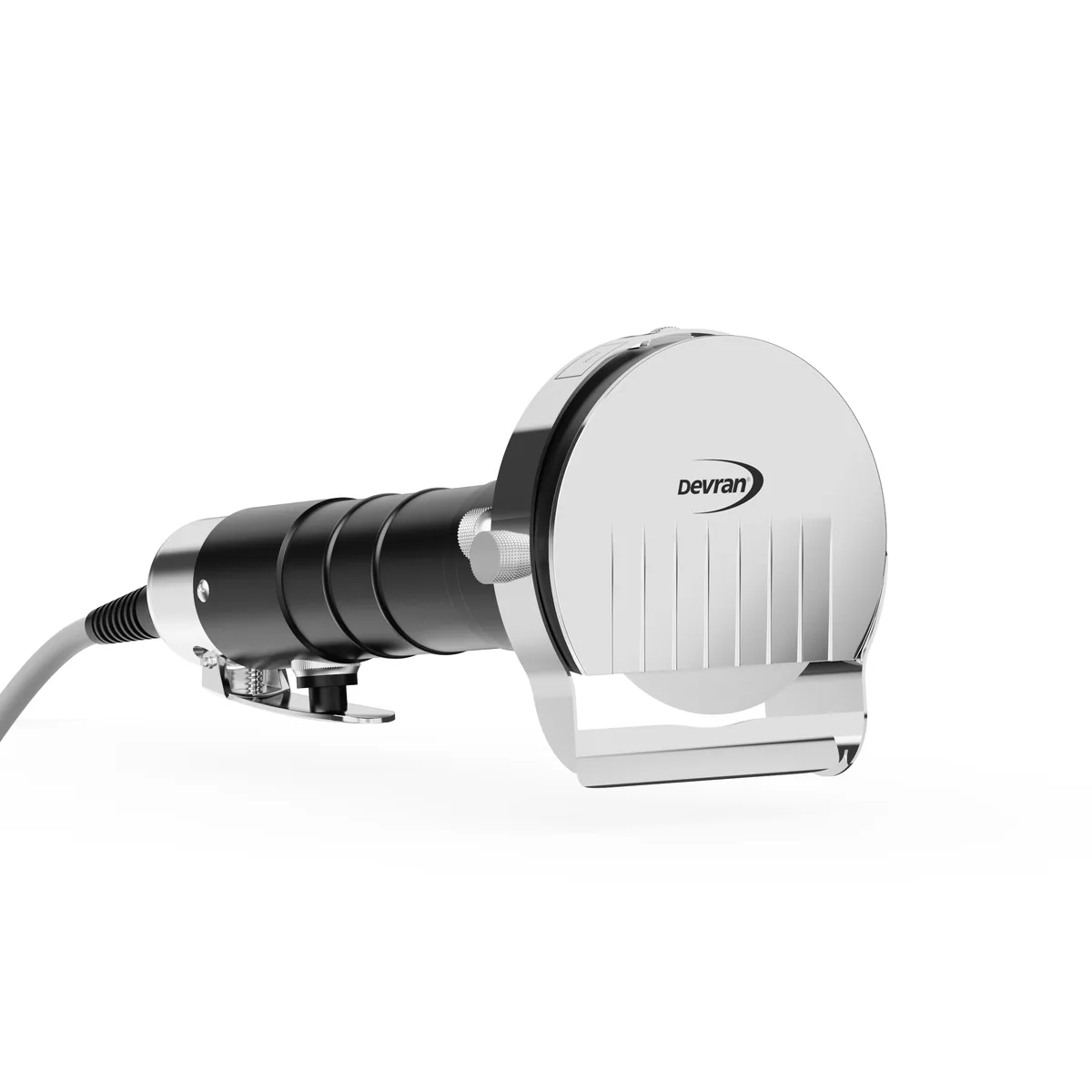
01
Cutting technology
The cut on the vertical spit. A spit keeps changing in temperature, density and diameter — the cutting technology has to compensate for that so the cutting pattern stays constant.
Servo system with NG4Constant speedEven cutting pattern
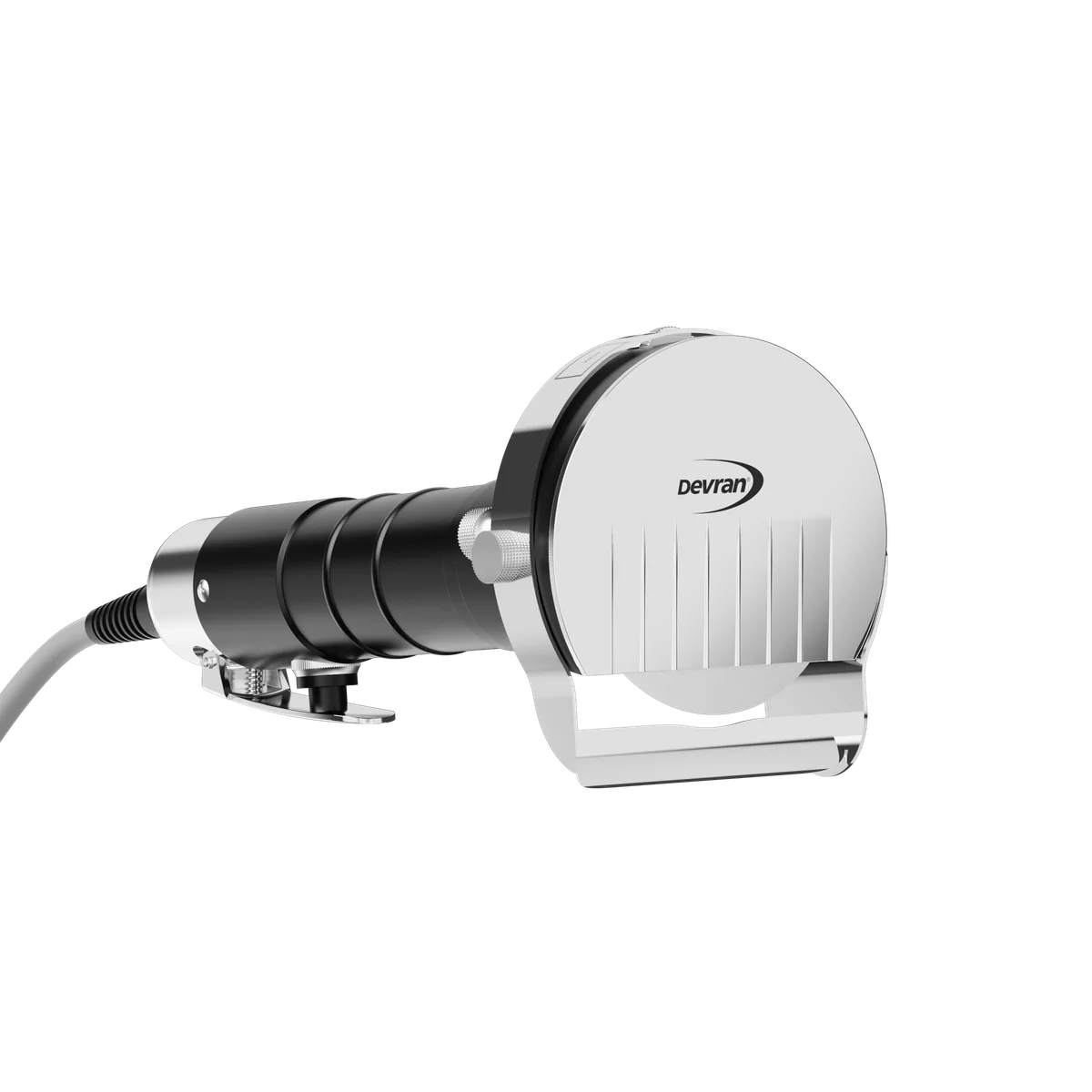
02
Blade technology
Geometry, fit, re-sharpening. Smooth, serrated and notched circular blades behave differently when cutting — and diameter, mount and cutting shape belong together.
Ø 80 mmStandard bladeRe-sharpenable
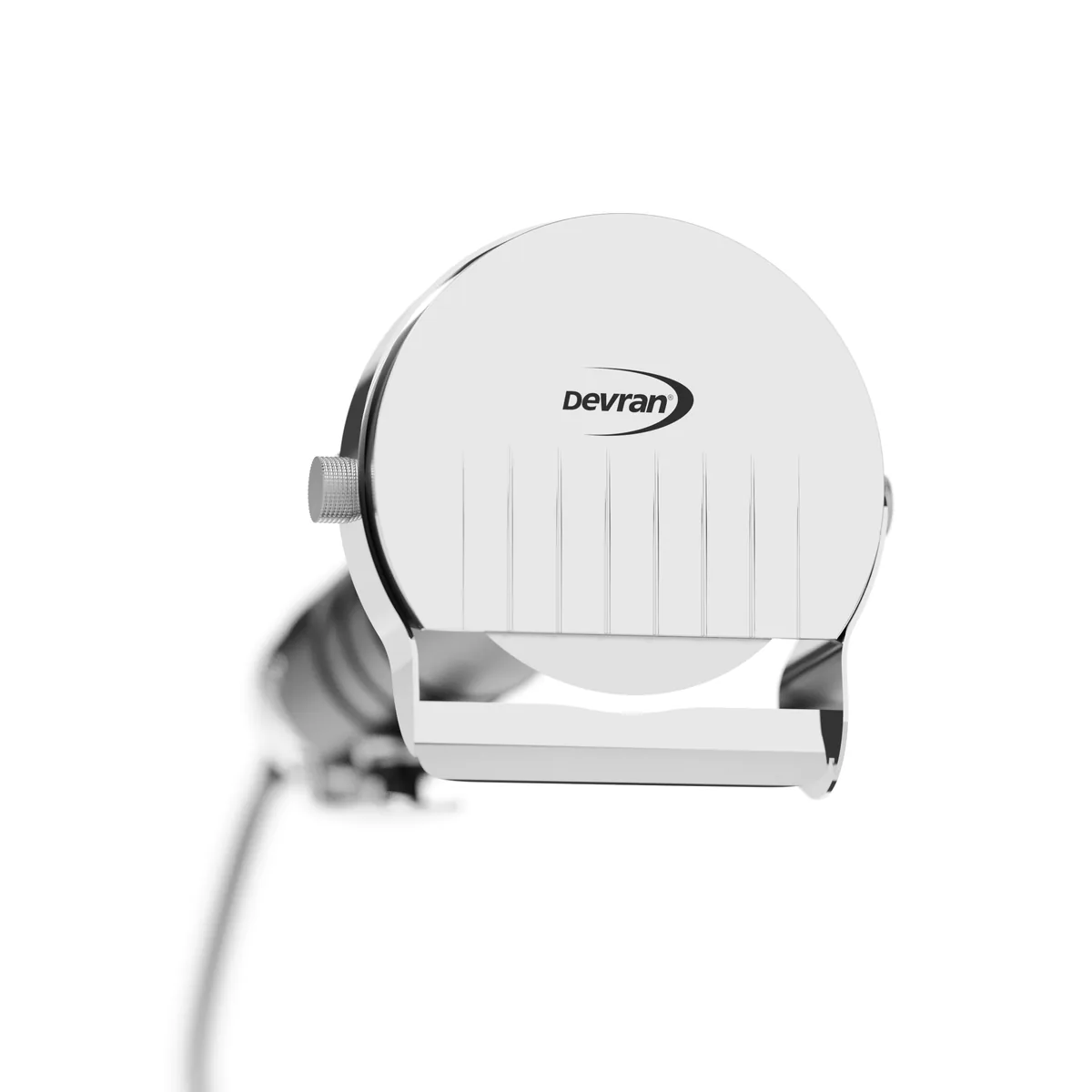
03
Drive
Maxon motor and servo control. A motor without control runs at a fixed speed and drops under load. In combination with the NG4 power supply, the servo system measures the load and adjusts — 5,000 to 6,000 rpm, even in dense meat.
Maxon motor (Switzerland)5,000–6,000 rpm230 V / 28 V

04
Ergonomics
Around 1,000 g in the hand. The power electronics sit in the power supply, not in the handpiece. A light device cuts at the end of the shift the way it did at noon — ergonomics is a question of cut quality.
Motor unit approx. 1,000 g28 V at the deviceHand-guided
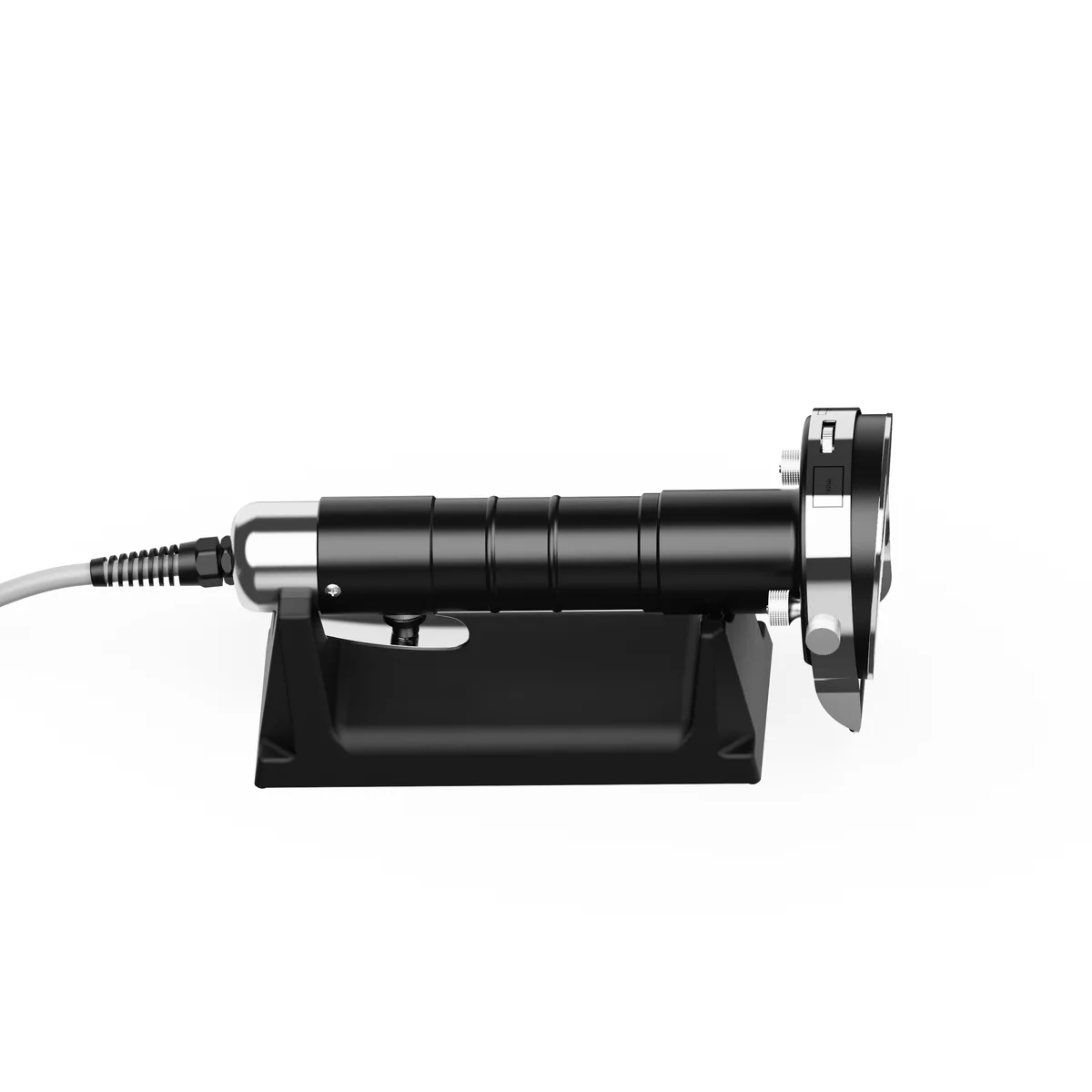
05
Cleaning
Hygiene begins in the design. Material and execution are designed for grease, heat and daily cleaning — dismantled without tools wherever possible.
Daily cleaningDismantled where possibleRemovable wearing parts